











Glassware Guide


Glassware Guide
What to Use for Every Drink
Choosing the right glassware is less about rules and more about function. The shape of a glass influences aroma, temperature, and overall experience. A simple, well-curated selection is enough for most homes.
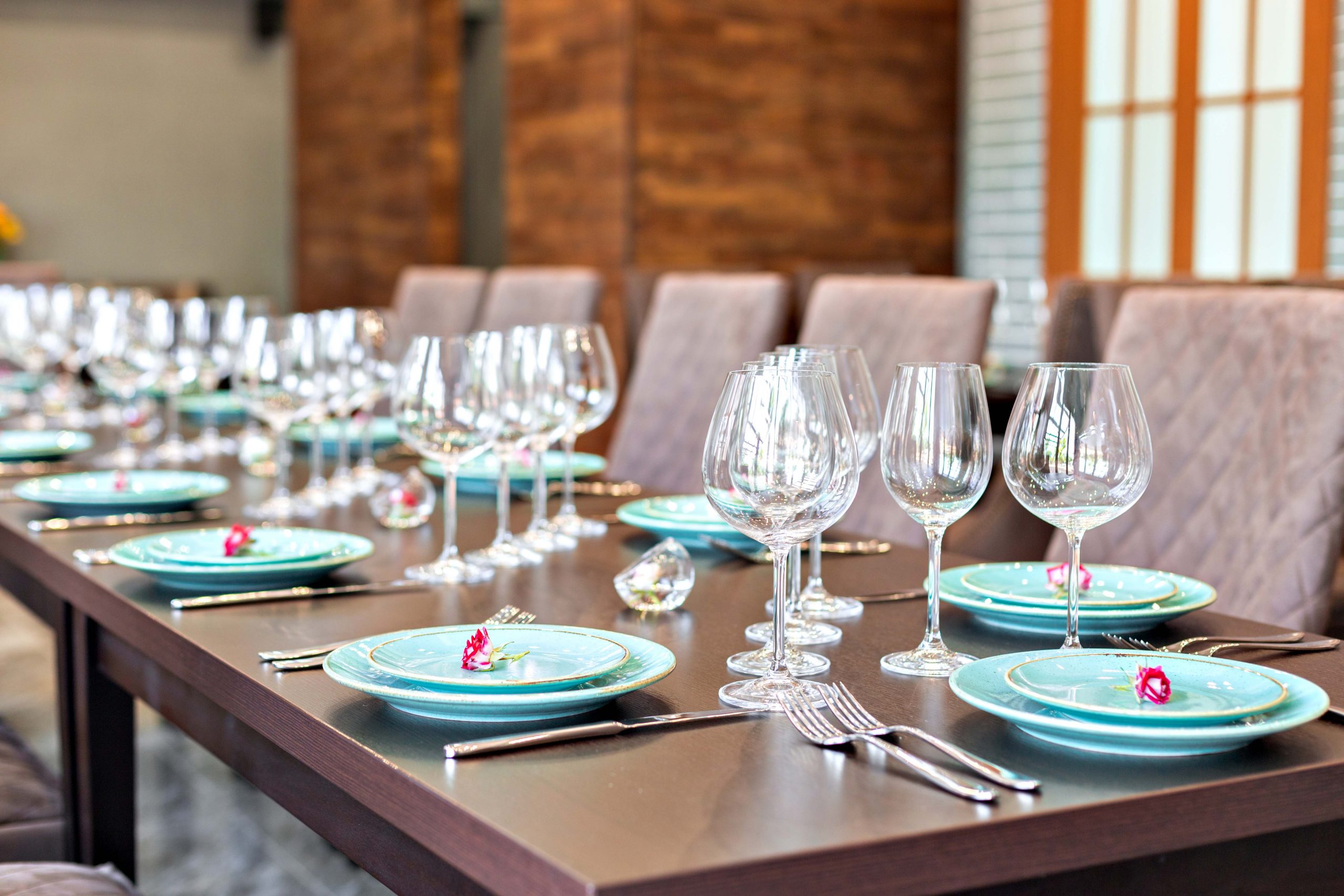
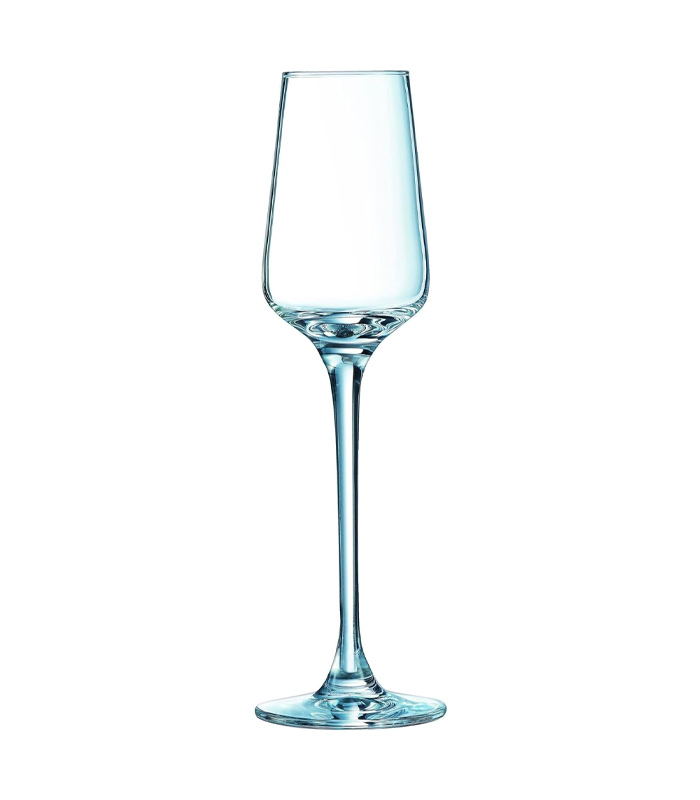
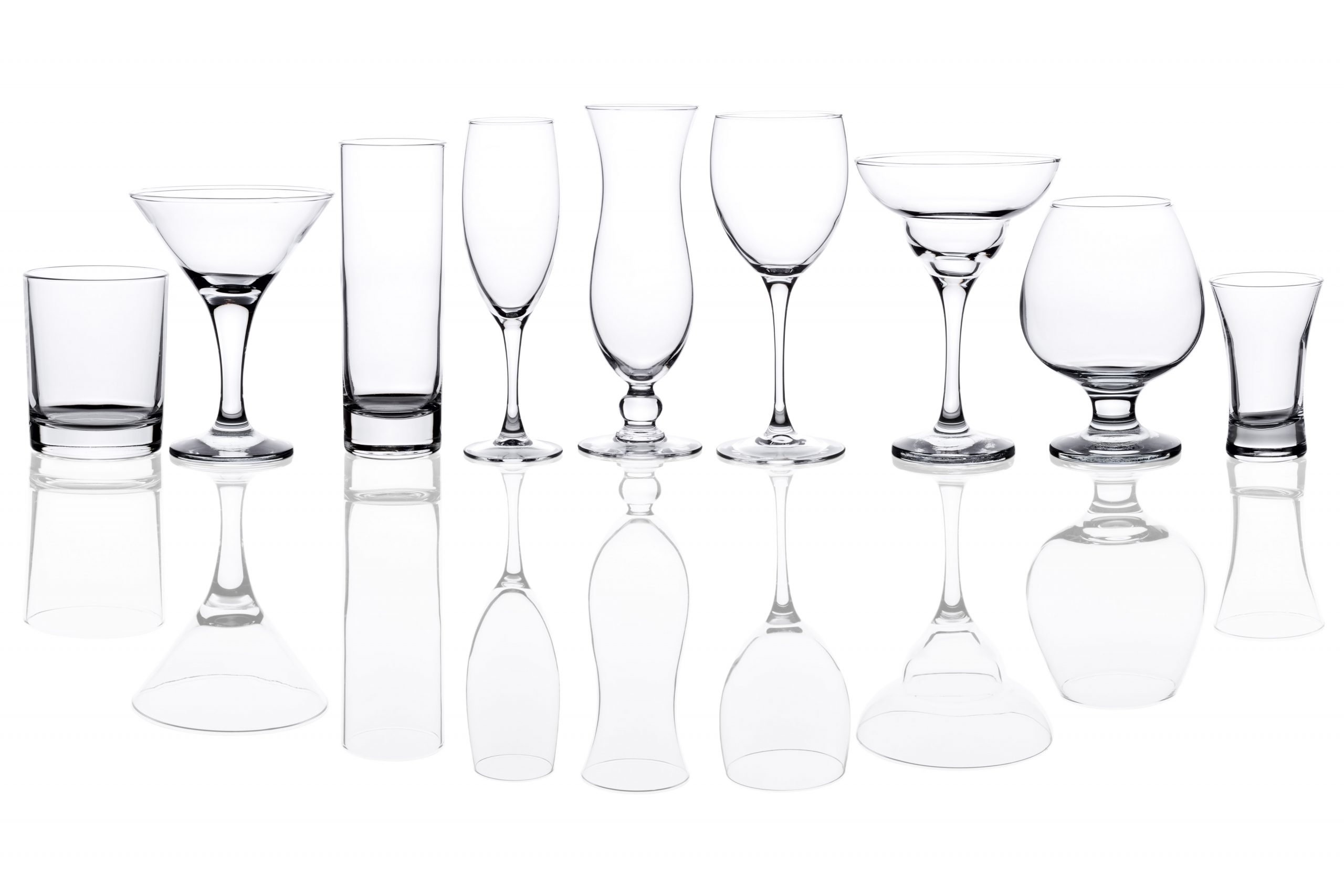
Wine benefits from shape. Red wine glasses are larger, allowing air to open up the flavour. White wine glasses are smaller to maintain a cooler temperature. Sparkling drinks are best served in flutes or coupes, depending on whether you prioritise bubbles or presentation.
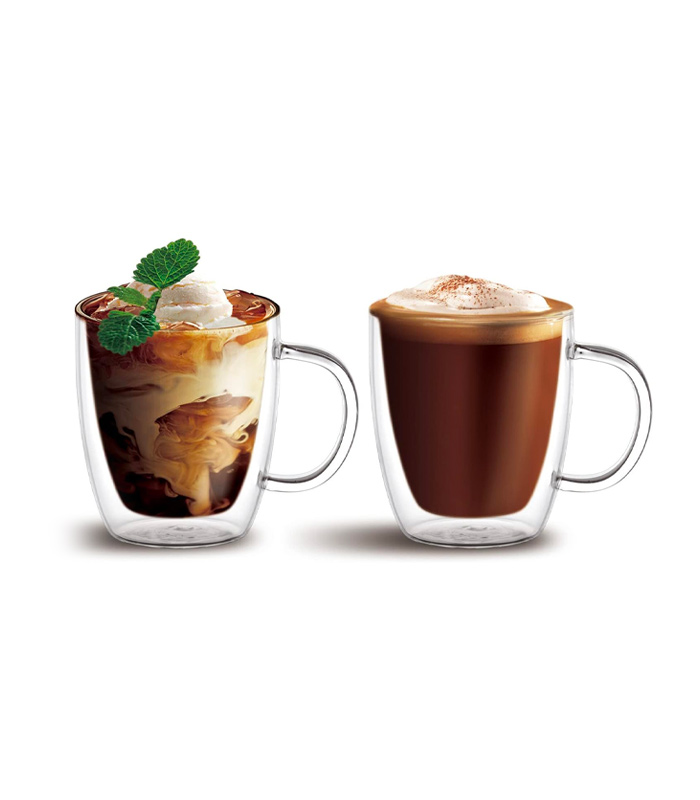
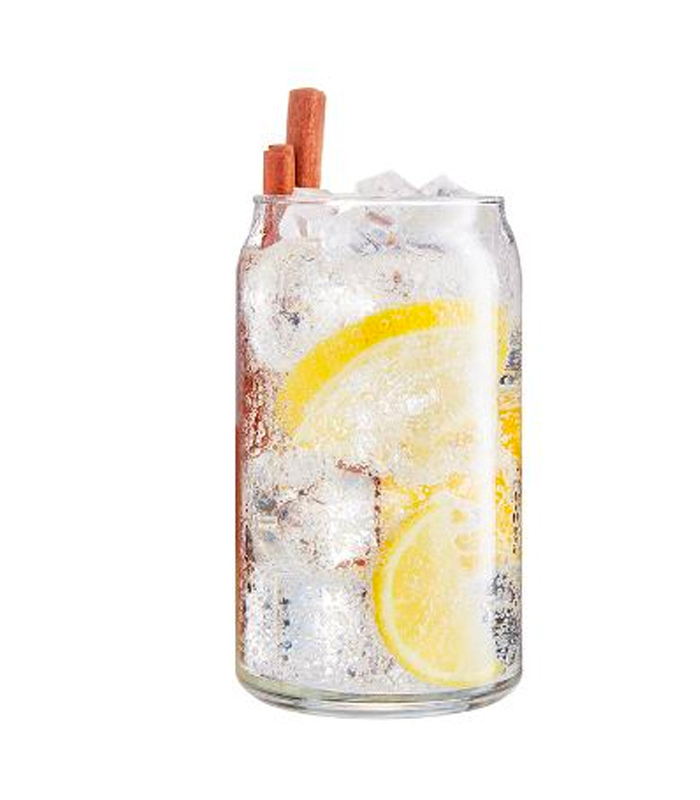
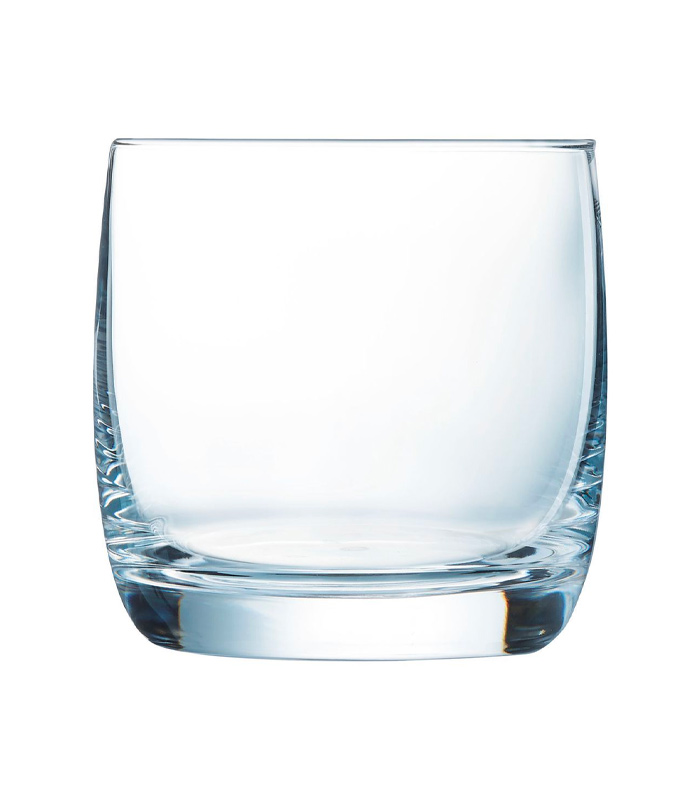
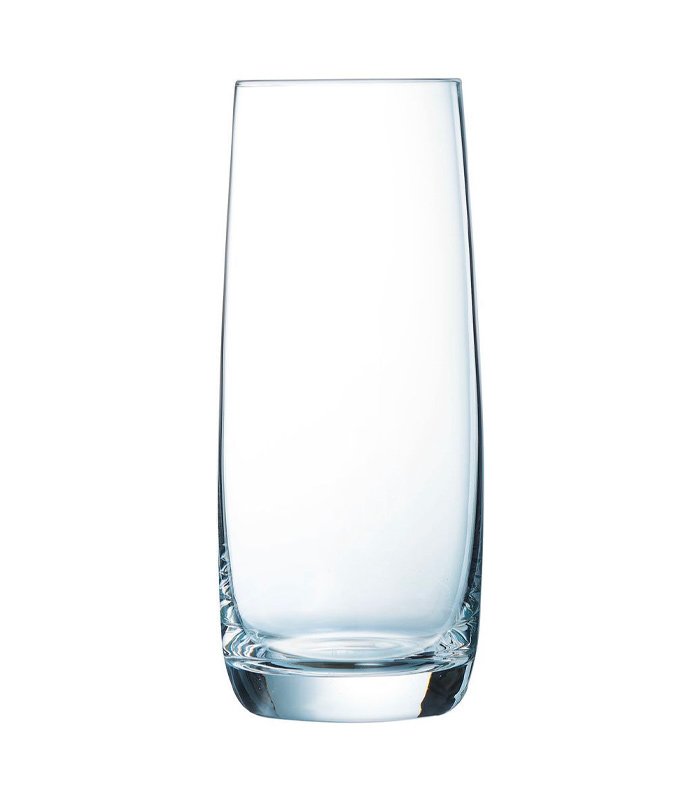
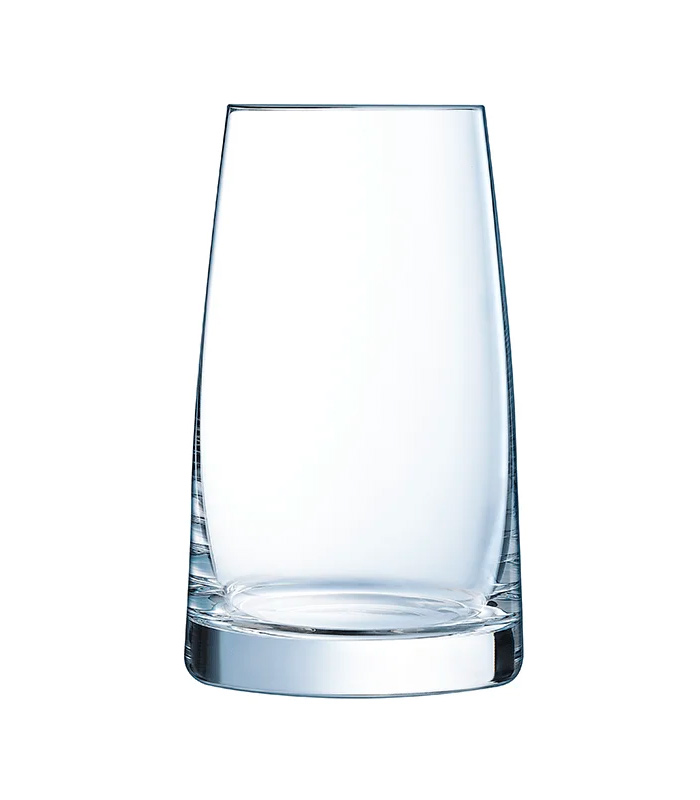
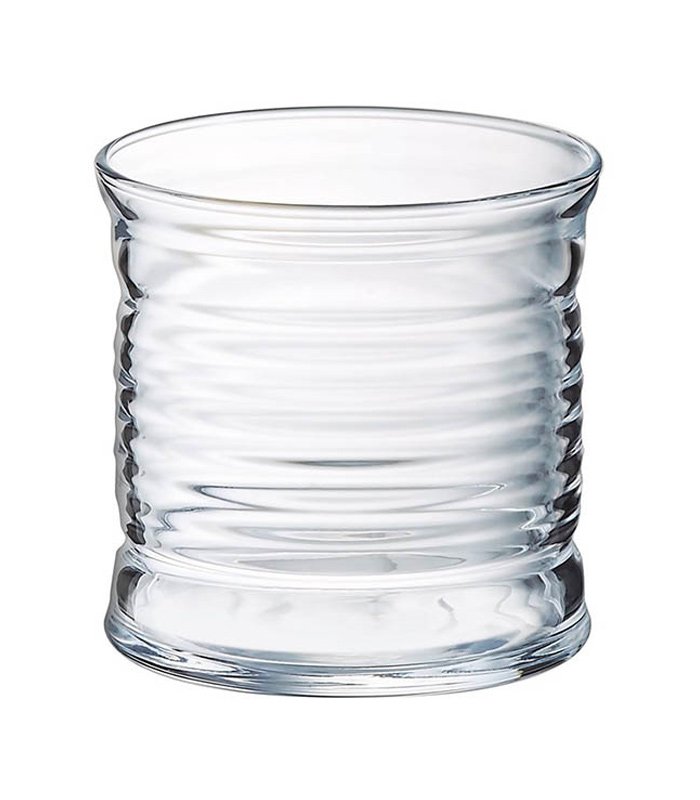
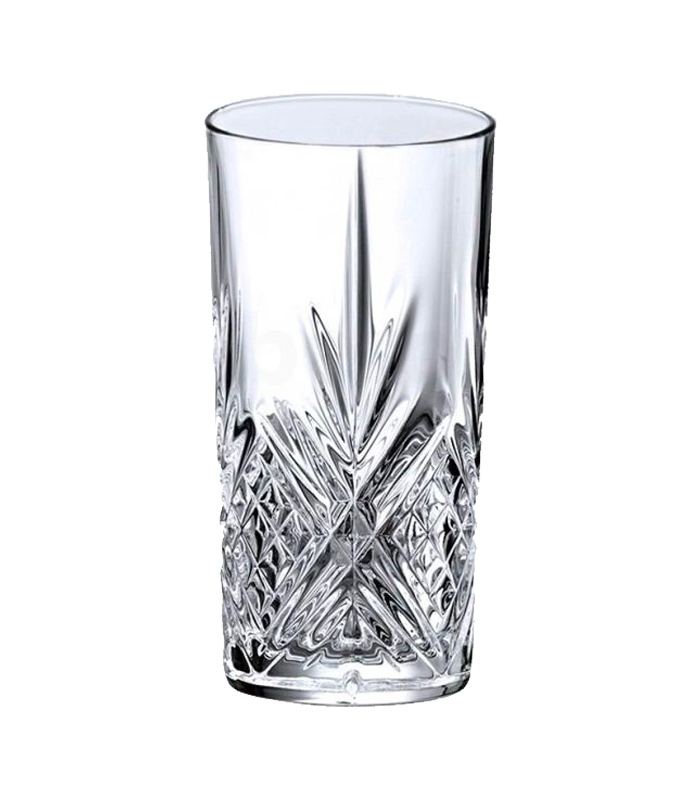
For everyday use, tumblers and highballs cover most needs. A tumbler (or rocks glass) is ideal for water, juice, or spirits served neat. Highballs are better for mixed drinks, soft drinks, and anything with ice and volume.
The key is restraint. You do not need every type. A practical set includes:
- One tall glass
- One wine glass (universal shape)
- One tumbler
Focus on clarity, weight, and durability. Good glassware should feel balanced in hand and consistent across your table.
Tablescaping 101
How to Layer Your Table Like a Pro
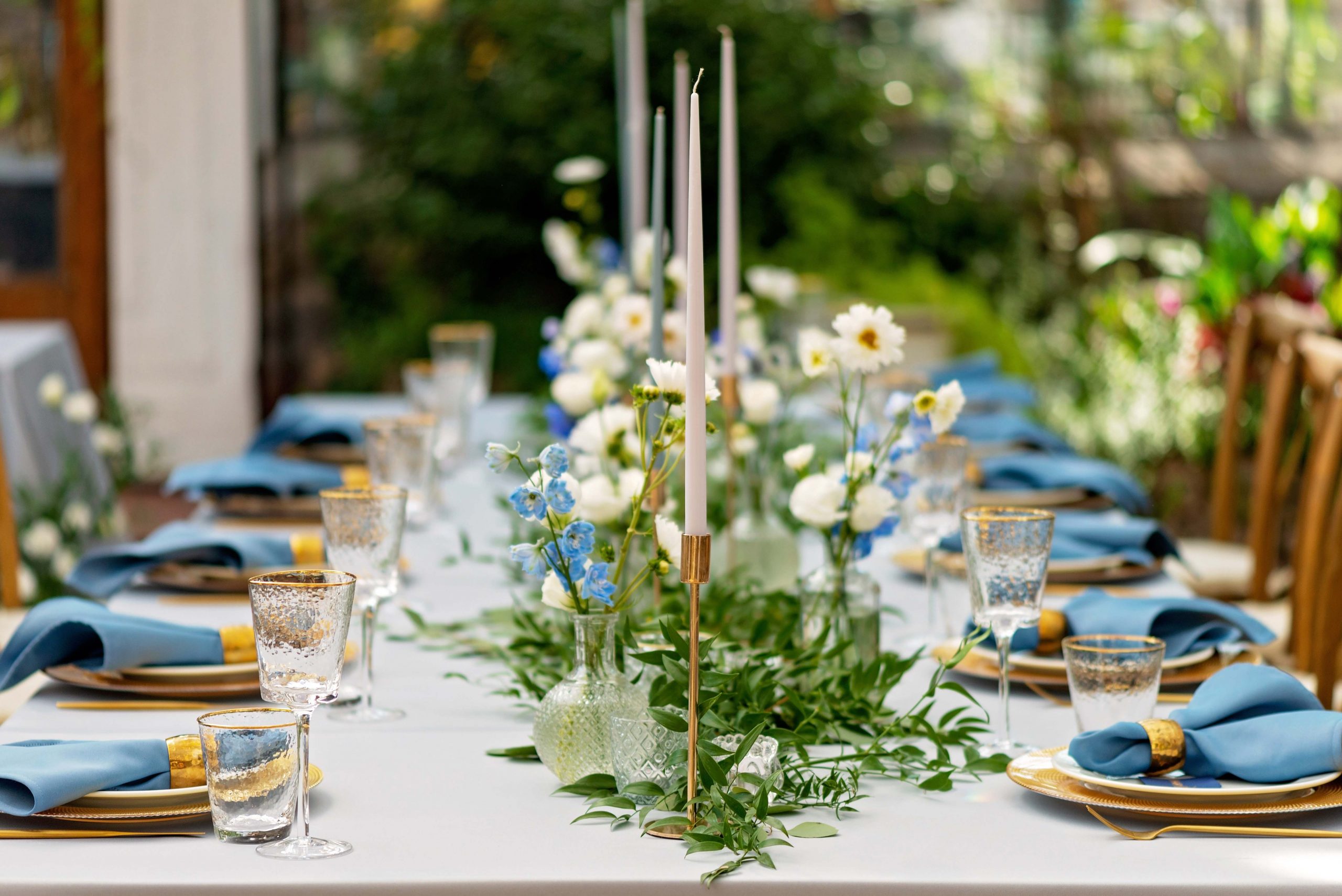
Tablescaping is about structure. A well-layered table feels intentional without being complicated.
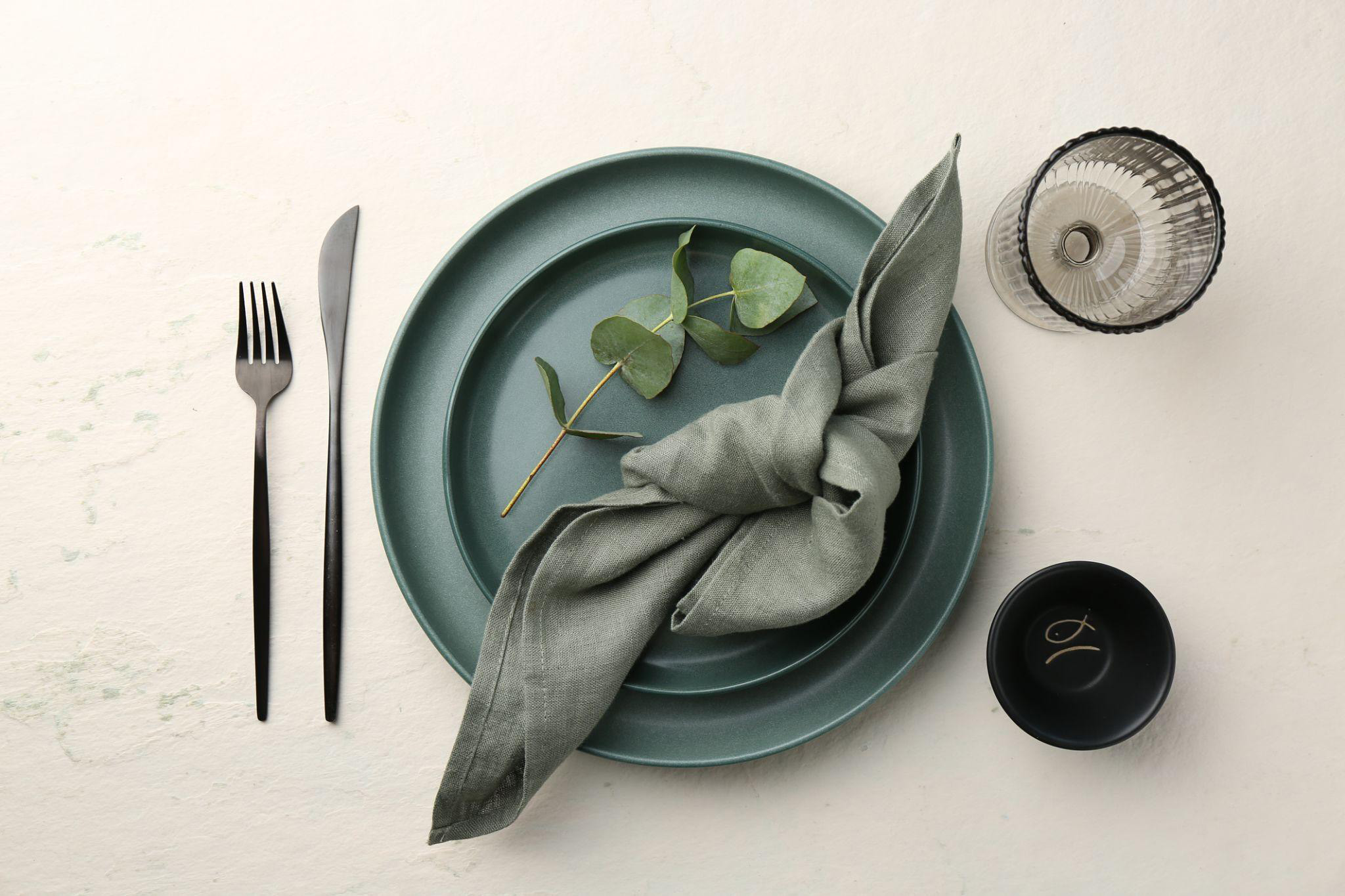
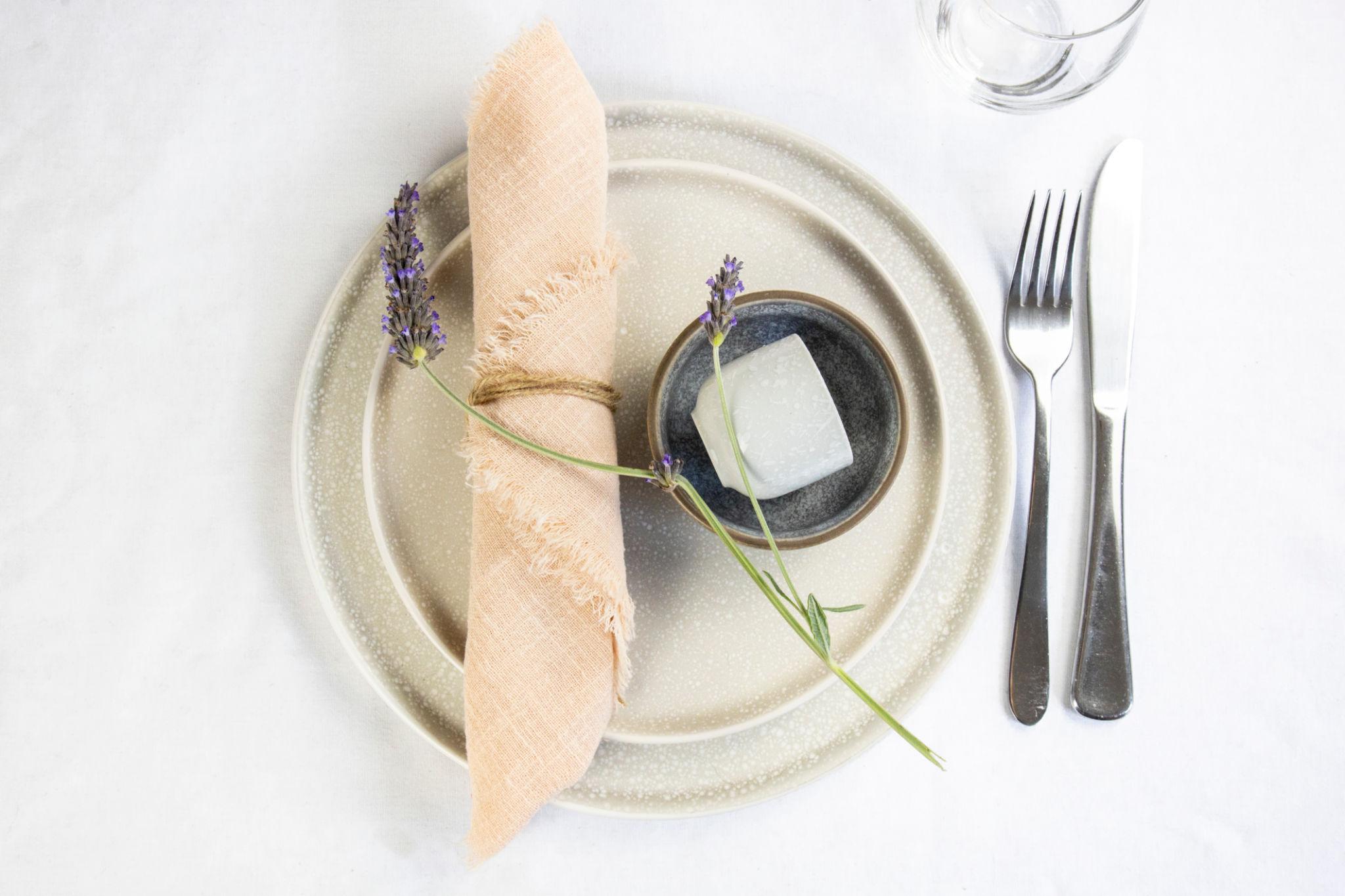
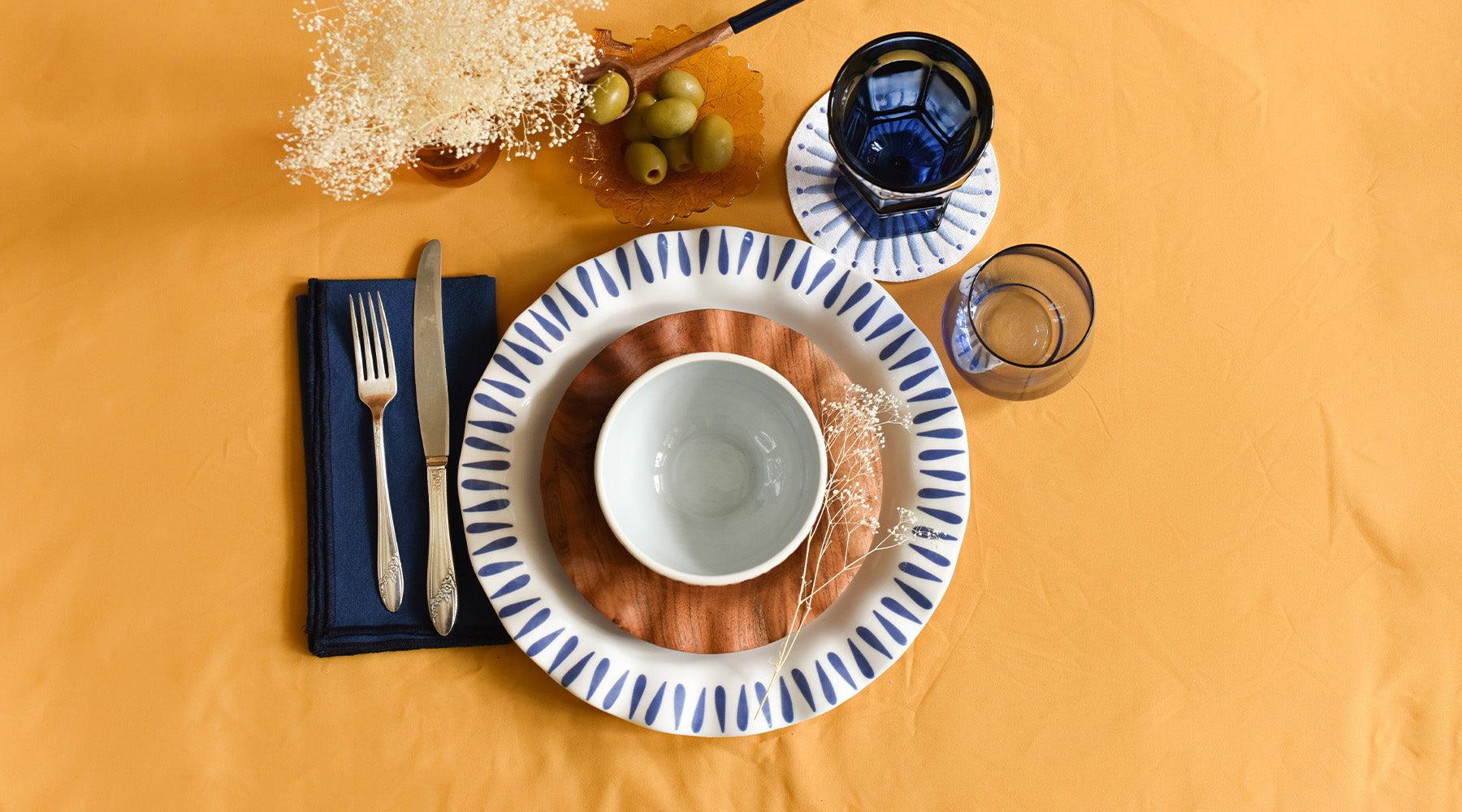
Start with a base. This could be a placemat, charger, or simply a clean table surface. The dinner plate sits at the centre, acting as the anchor. A smaller plate or bowl can be layered on top depending on the meal.
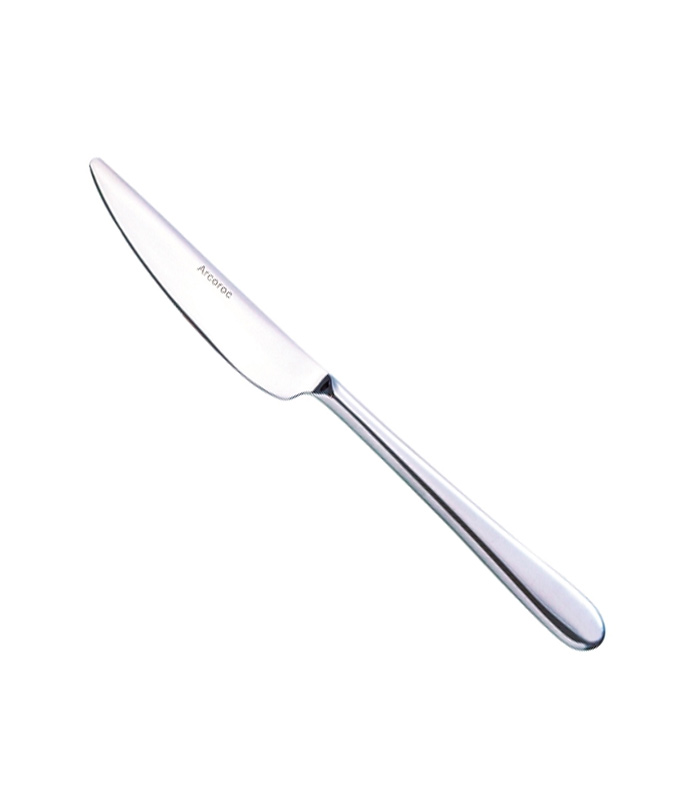
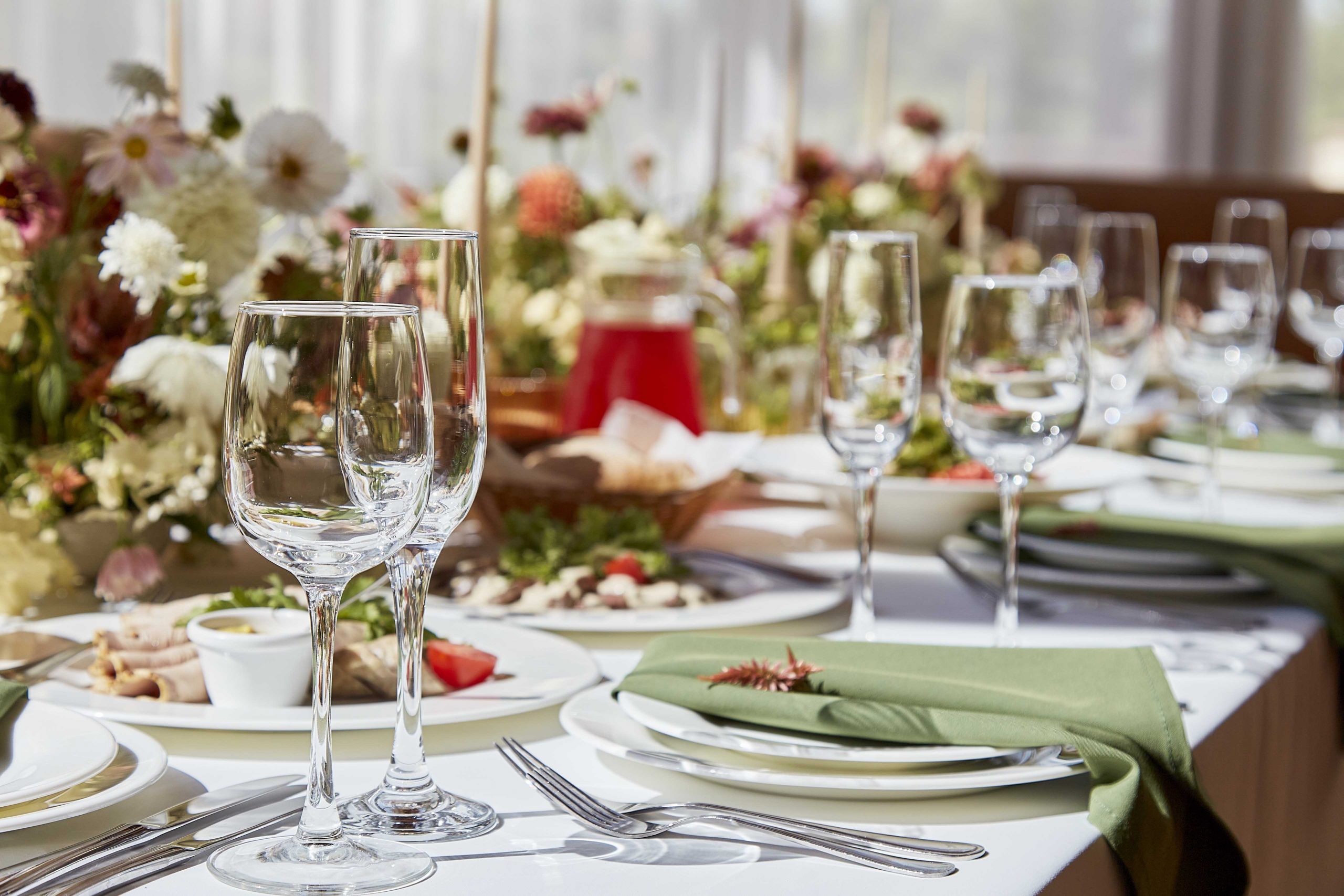
Cutlery should follow function. Forks on the left, knives and spoons on the right. Glassware sits above the knives, aligned neatly without crowding the space.
Napkins are where personality comes in. Folded, draped, or placed under the top plate, they soften the overall look.
Keep spacing consistent. Each setting should feel equal and balanced. Avoid overcrowding the table with unnecessary items.
A strong table setting is not about adding more, but about placing each element with purpose.
Mixing and Matching Tableware
Without It Looking Messy
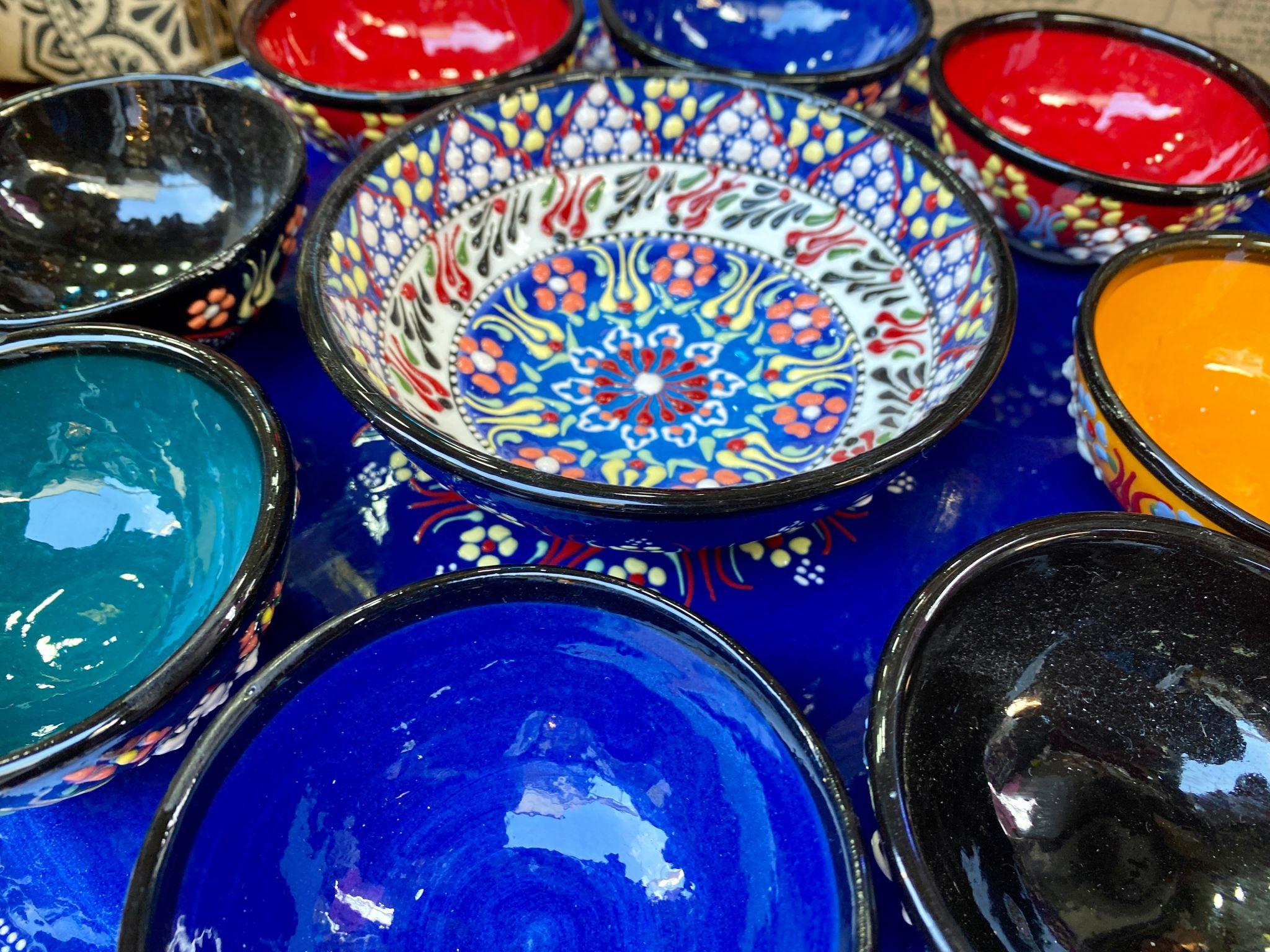
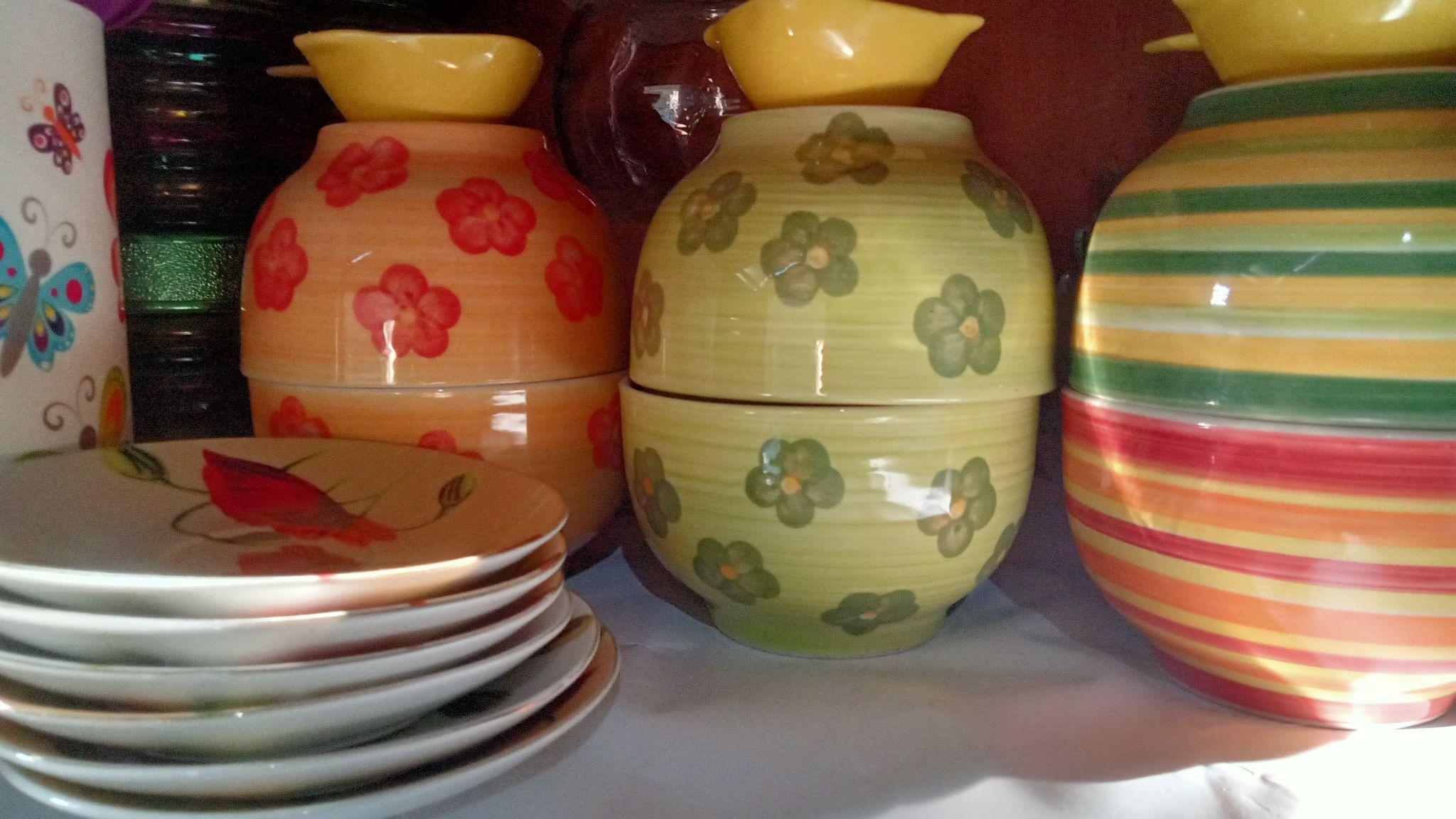
Mixing tableware creates interest, but without control it quickly becomes cluttered.
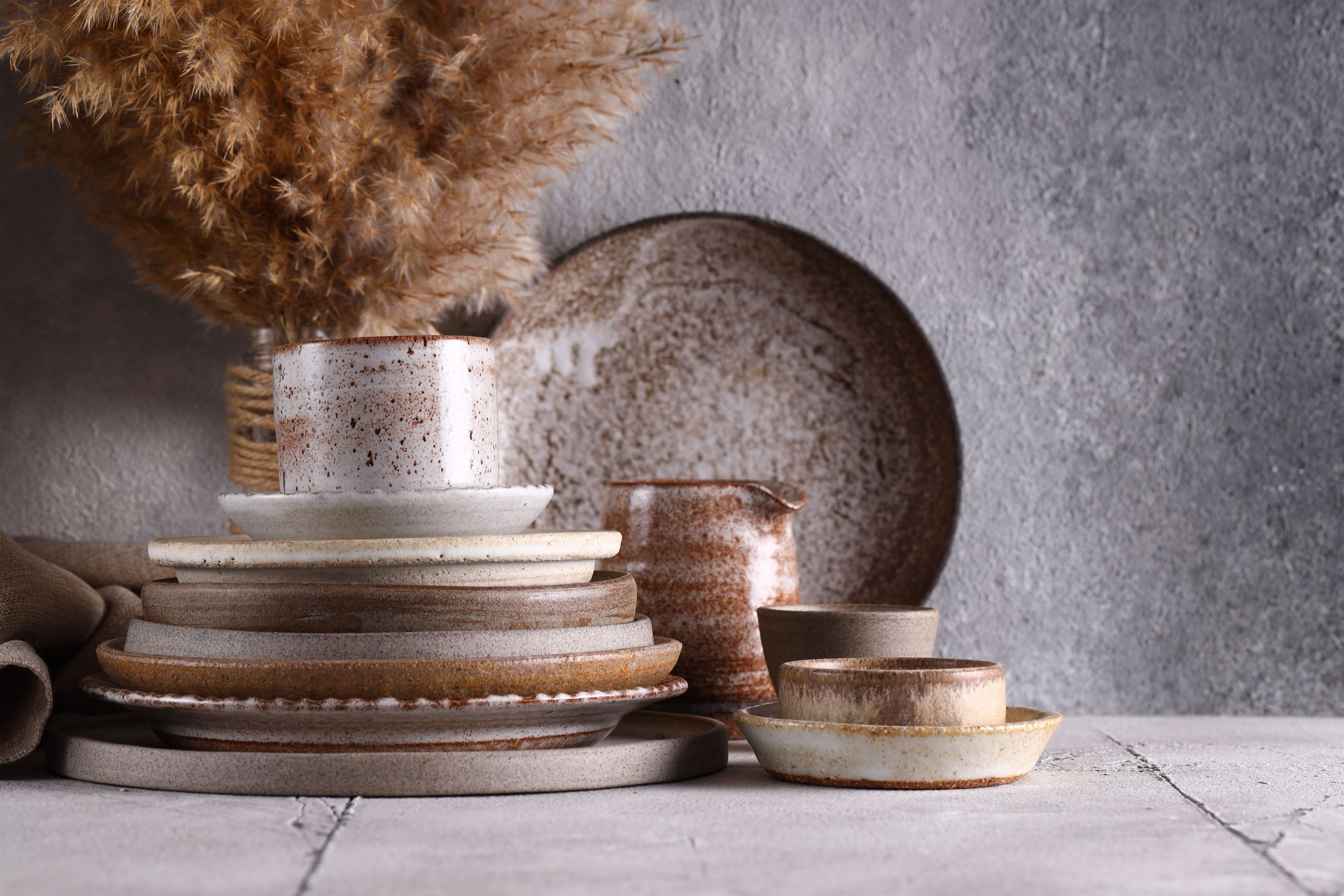
The simplest rule is to anchor everything with one consistent element. This could be colour, material, or shape. For example, different plate designs in the same neutral tone will always look cohesive.
Limit variation. Choose one or two elements to change, not everything at once. If your plates vary, keep glassware and cutlery simple. If your glassware varies, keep plates consistent.
Balance is critical. Distribute patterns and colours evenly across the table rather than clustering them in one area.
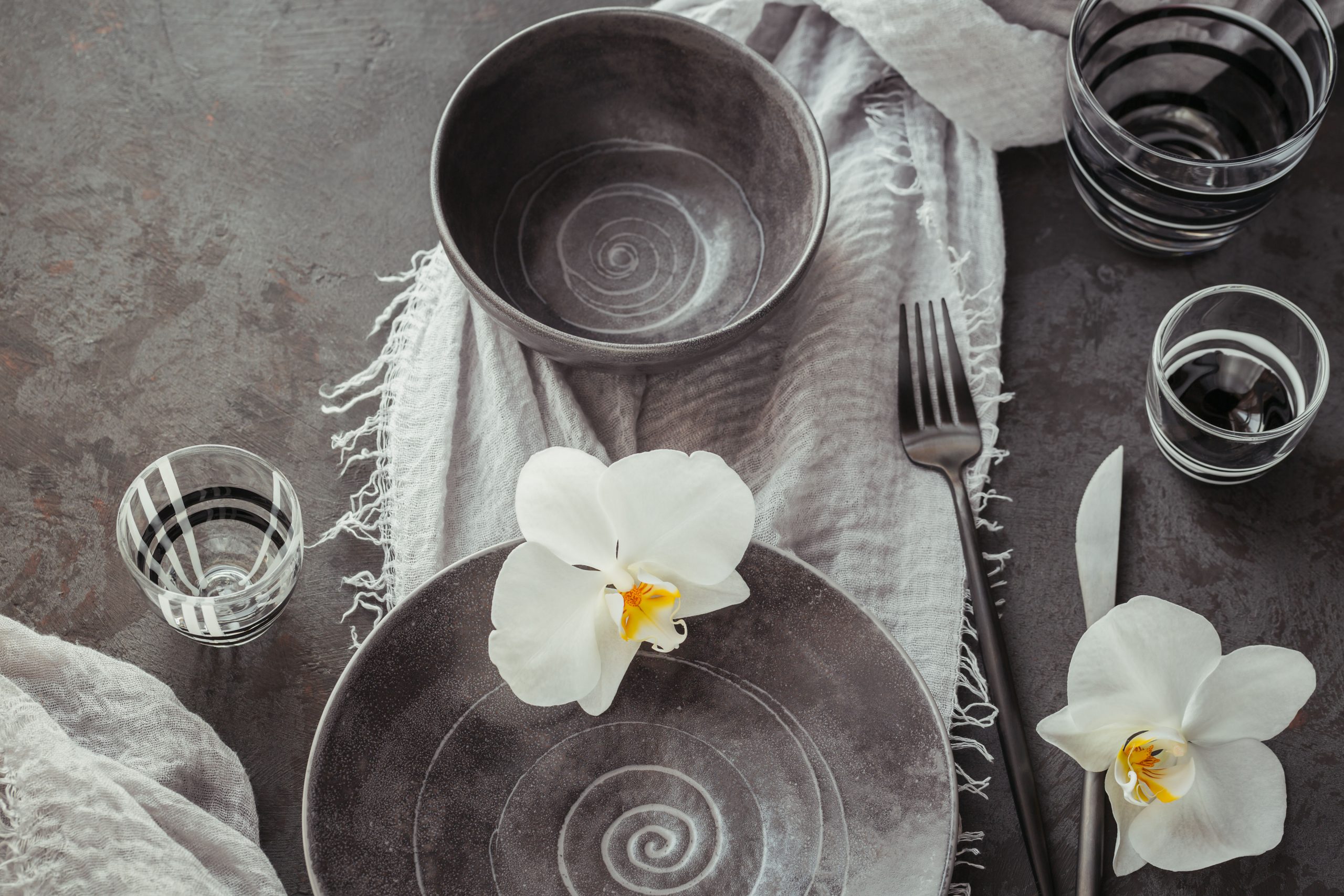
Texture can replace colour. Combining matte ceramics with glossy finishes or glass adds depth without overwhelming the eye.
Done correctly, mixed tableware feels curated rather than random.
The Power of Neutrals
Why Simple Plates Work Best
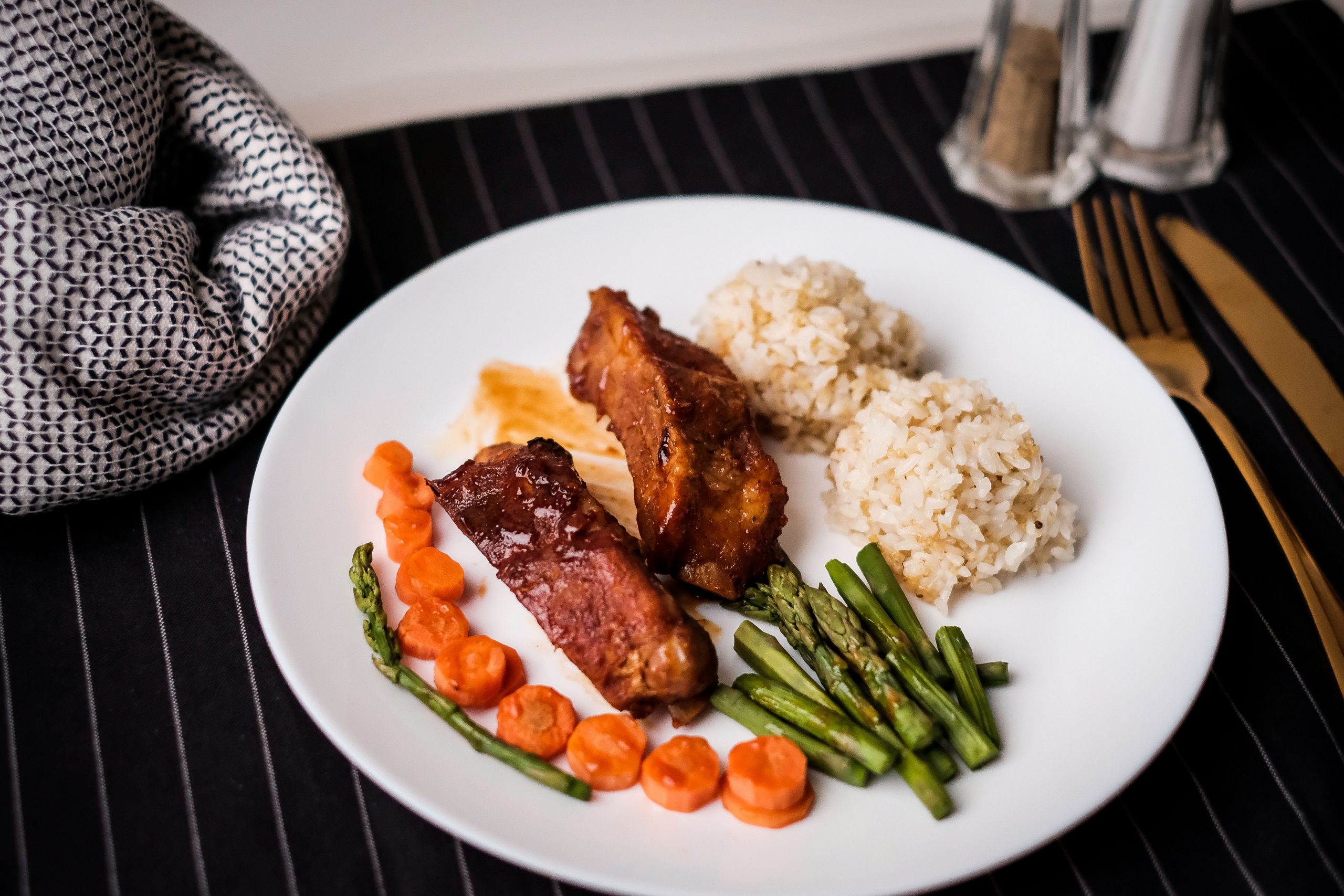
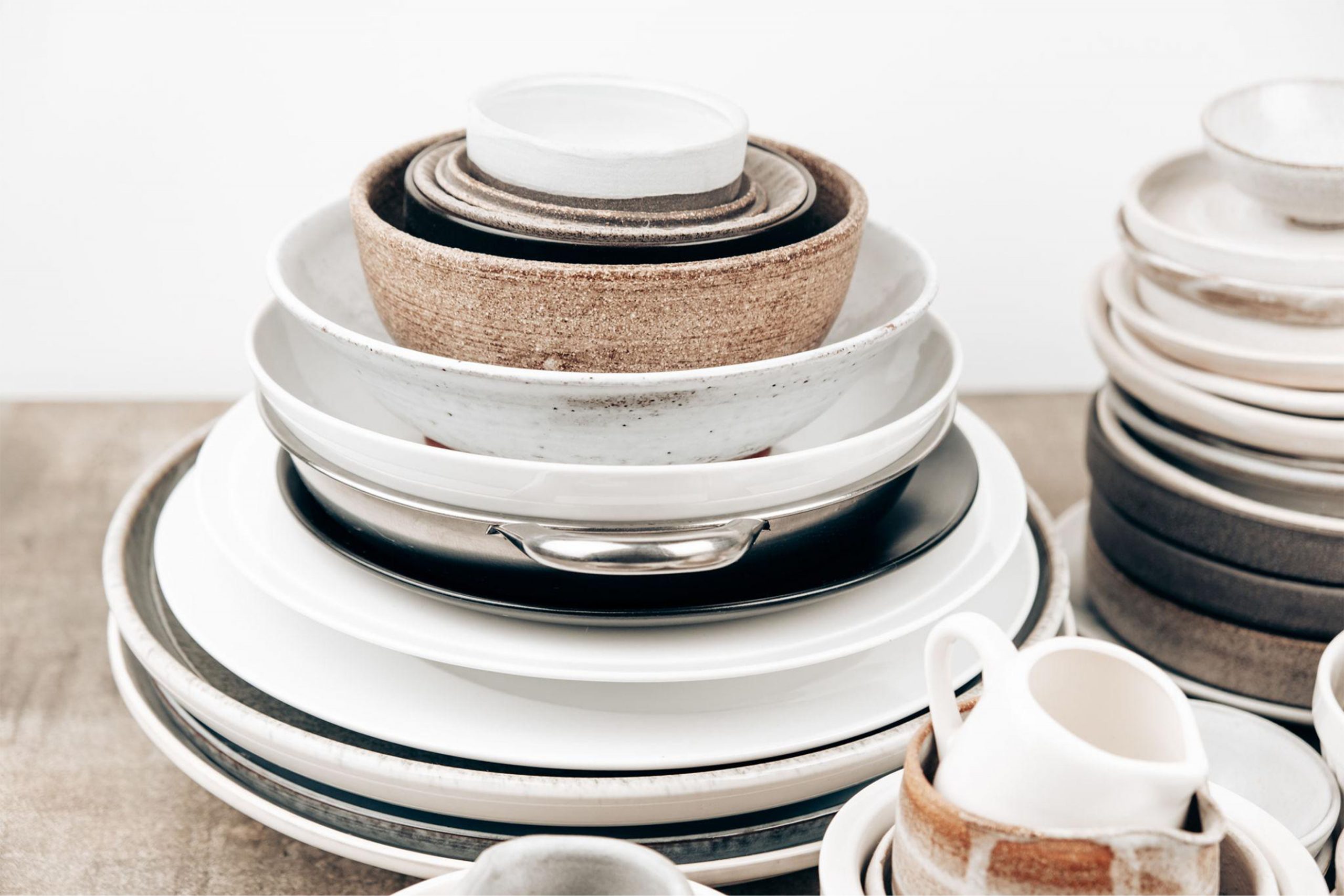
Neutral tableware is the most versatile choice for any home. It allows food, not the plate, to be the focus.
White, beige, and soft earth tones provide a clean backdrop that works across all cuisines and occasions. Whether you are serving a simple breakfast or hosting guests, neutral plates adapt without clashing.
They also simplify styling. You can introduce colour through food, napkins, or seasonal elements without needing to change your core set.
From a practical standpoint, neutrals are easier to expand. Adding new pieces over time remains seamless because the base palette stays consistent.
Simple plates reduce visual noise. The result is a table that feels calm, considered, and modern.
The Psychology of Presentation
Why Food Tastes Better When Styled
Presentation influences perception. Before tasting food, the brain has already formed an expectation based on how it looks.
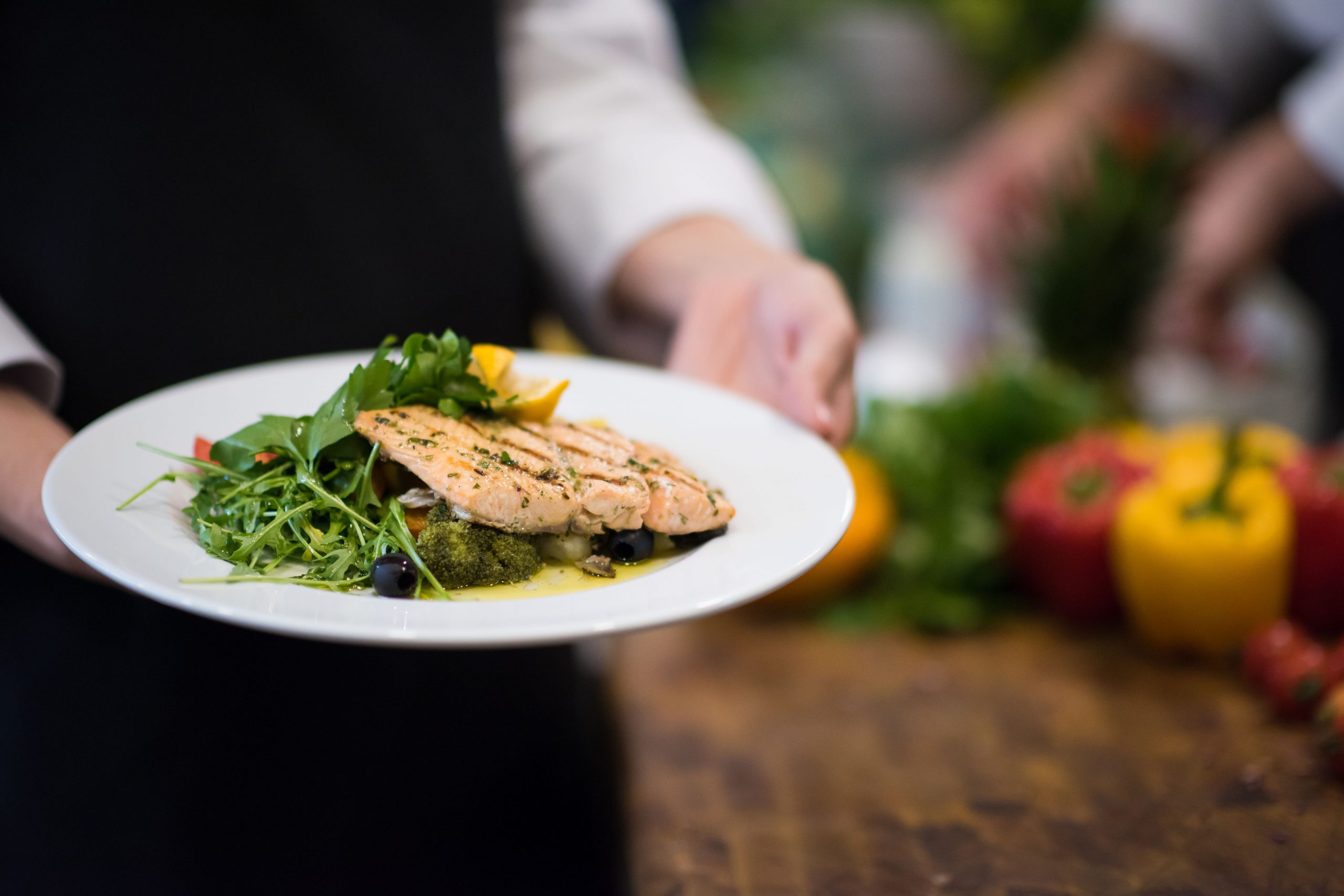
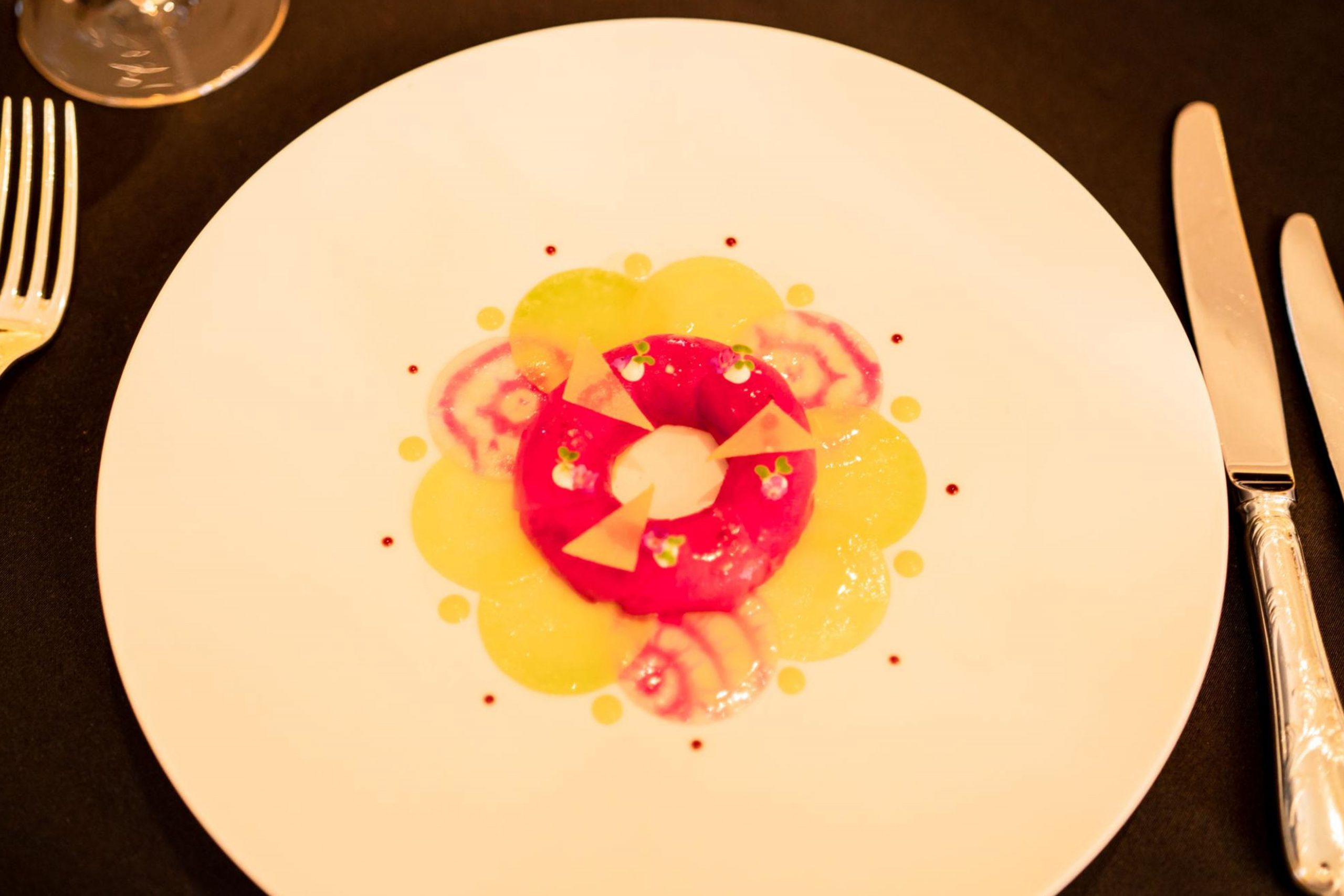
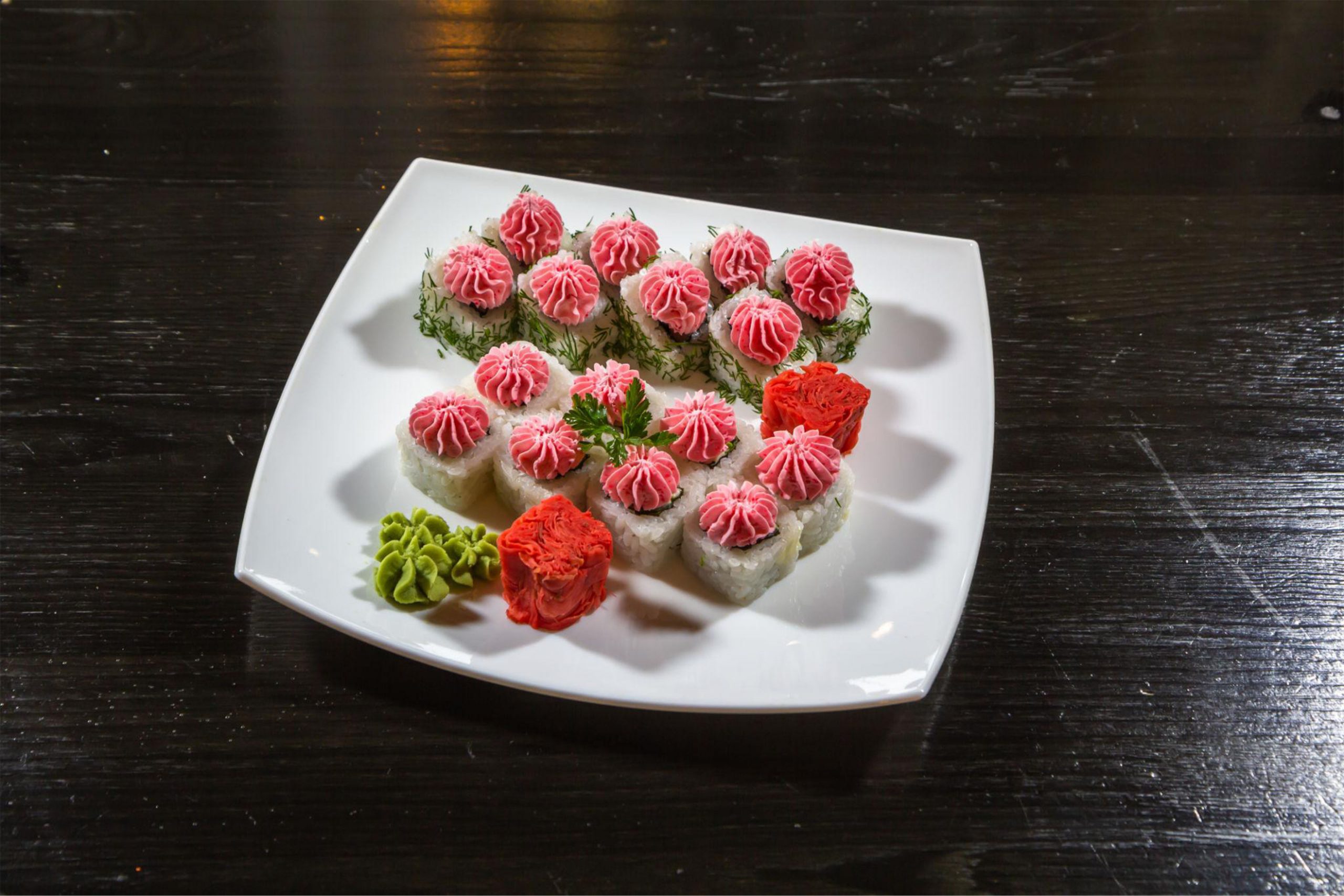
Clean, organised plating signals quality and care. When food is arranged with intention, it is perceived as more flavourful, even if the ingredients are the same.
Spacing matters. Overcrowded plates feel heavy, while well-spaced elements feel refined. Colour contrast also plays a role. A simple garnish or variation in texture can make a dish more appealing.
Consistency builds experience. Using the same plates, glassware, and layout creates familiarity and elevates everyday meals.
The goal is not perfection. Small adjustments such as centring food, wiping plate edges, and adding height can significantly improve presentation.